
Why Consistent Quality Matters in Engineering Plastics
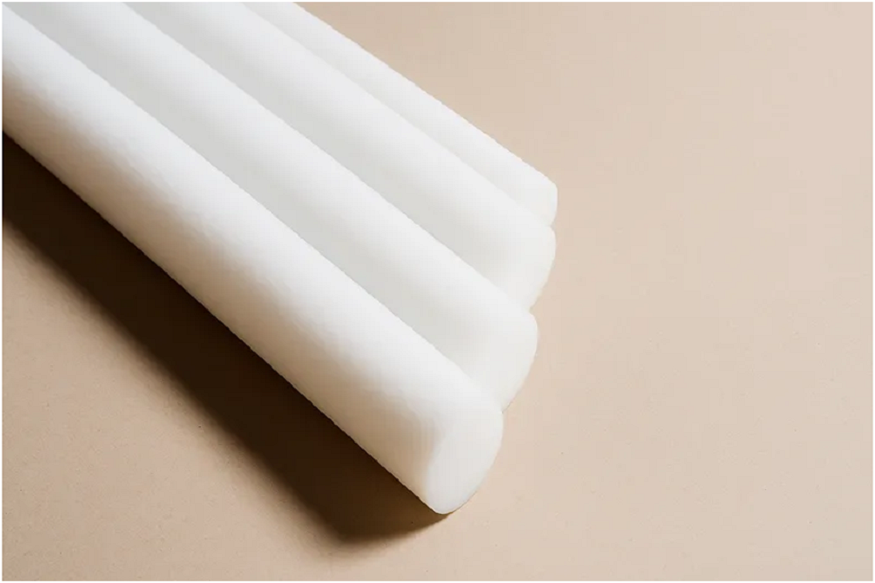
Engineering plastics are chosen for their mechanical strength, chemical resistance, and durability in high-performance environments like manufacturing, food processing, and automotive. However, these advantages rely on one critical factor: consistent material quality.
When properties such as density or crystalline structure vary between batches, even small deviations can lead to machining issues, failed inspections, or in-service failures. In high-precision or regulated environments, inconsistency cannot be treated as a minor defect, as it risks cost, compliance, and performance.
This article explains why consistent quality is crucial in engineering plastics and how it directly impacts reliability, efficiency, and long-term commercial outcomes throughout the production cycle.
Ensures Precise and Predictable Machinability
Engineering plastics are often used in high-precision applications that require tight tolerances. This means any variation can have downstream consequences for machining accuracy and performance. For example, in widely used materials such as HDPE and UHMWPE, the smallest inconsistencies caused by uneven cooling during extrusion, poor additive dispersion, or internal stress can impact weldability, dimensional stability, and machinability.
When the engineering plastic stock maintains consistent density and internal structure across every sheet or rod, it enables reliable and clean machining. This consistency reduces common issues, such as tool chatter, deflection, or material chipping, which can shorten tool life and compromise dimensional accuracy.
Furthermore, consistent material behavior reduces the need for tool path adjustments and finishing operations, which is especially critical in Computer Numerical Control (CNC) machining or automated production lines. This enables more efficient throughput, lower labour input, and reduced tooling costs.
Read More: How Self-Contained Industrial Properties Differ from Shared Facilities
Meets Specifications and Compliance Requirements
When you’re working in industries like food production, medical devices, or water treatment, compliance should be first on the priority list. Every part you make must meet strict standards, whether it’s about dimensions, surface finish, or structural performance. To meet those specs, your plastic stock must be consistent in quality.
If there are changes in crystallinity, surface texture, or internal stress, parts can begin to slip out of tolerance and exhibit variations in quality. This could result in a failed inspection, production delay, or compliance issue during an audit. In sectors where compliance is tightly regulated, even a small issue can cause major disruptions.
What makes it harder is when those inconsistencies show up unpredictably. One batch is fine, the next isn’t. It adds extra work for QA teams trying to catch issues early and creates uncertainty for procurement teams relying on supplier consistency.
That’s why manufacturers under strict compliance requirements look for suppliers with solid, transparent quality control. When you know the material has been properly tested and every batch meets the same standard, it’s easier to ensure specification compliance and keep production moving.
Read More: Can You Use Non-Heat-Treated Pallets for Export?
Minimises Production Disruptions and Hidden Costs
When plastic quality is inconsistent, the impact is evident throughout the entire workflow, from quoting and scheduling to final delivery. Jobs that should run smoothly end up needing extra checks, more rework, and longer lead times. These disruptions gradually erode profitability.
Cost overruns often start with small problems—a few more scrapped parts, extra hours spent fixing something that didn’t need fixing, a project that runs a day late because the tooling setup didn’t go as planned. It’s challenging to account for these expenses upfront, but they still appear in your budget regardless. These costs accumulate over time.
Procurement teams experience this, too. When stock quality can’t be relied upon, orders are padded with extra material “just in case,” or lead times are extended to allow teams room to recover if something goes wrong. That is a good risk management approach, but it utilizes scarce resources that could be avoided simply by ensuring consistency.
Reliable, consistent engineered plastics help avoid all that. They make it easier to stick to the plan, quote accurately, and run production without unnecessary delays. And that makes a real difference.
Consistent quality in engineering plastics helps reduce risk at every stage from design to delivery. When material properties are predictable, design teams can tighten tolerances without adding contingency buffers, procurement can plan with greater certainty, and QA teams can focus on prevention instead of correction.
By prioritising material consistency, manufacturers and fabricators gain greater control over cost, quality, and delivery. It supports better margins, fewer rejections, and more predictable production planning.
To reduce rework, minimise extra costs, and keep production moving, start by partnering with reliable engineering plastics suppliers that meet specifications every time.



2 thoughts on “Why Consistent Quality Matters in Engineering Plastics”
Comments are closed.