
Cost Structures Associated with DEMAT Apps
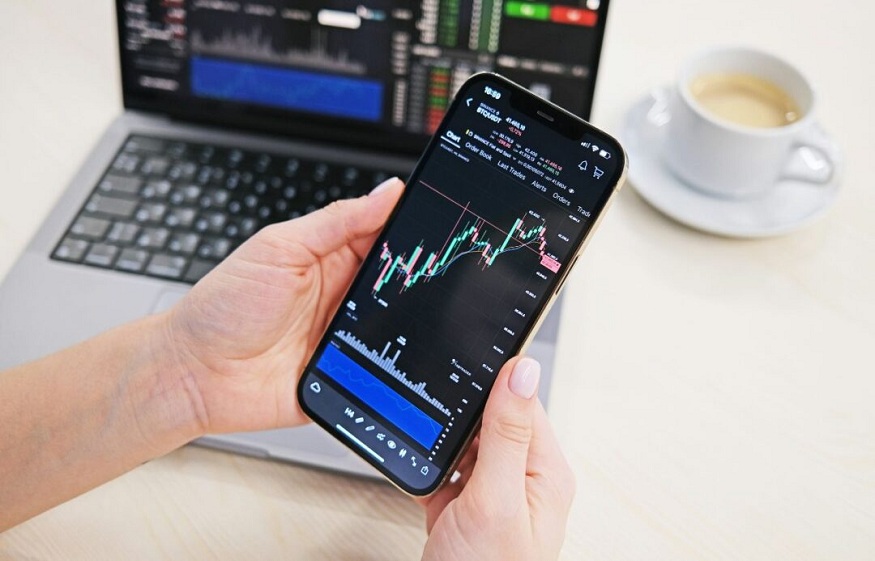
Investing in the stock market has undergone a massive transformation over the last decade. Gone are the days of physical share certificates and manual record keeping. Today, everything happens through digital interfaces that allow users to buy and sell securities with a simple tap on a screen. This shift was primarily driven by the rise of mobile technology and the internet, making the financial markets accessible to millions of people who were previously excluded.
However, this ease of access often masks the underlying financial commitments required to maintain these accounts. While the user interface might look simple, the financial framework supporting it is quite complex. Understanding the various fees is essential for any investor who wants to protect their profit margins over time. Every small fee can add up, especially for those who trade frequently or hold a diverse portfolio of assets.
The Basics of Digital Custody
A digital account for holding securities is essentially a digital vault. It holds your shares, bonds, and mutual funds in an electronic format. This eliminates the risks associated with physical certificates, such as loss, theft, or damage. When you use DEMAT apps, you are interacting with a user interface provided by a depository participant. These participants act as intermediaries between you and the central depositories that manage the nation’s financial records.
The convenience of these apps is undeniable. You can track your portfolio in real time, receive instant notifications about corporate actions, and execute trades from anywhere in the world. But this infrastructure requires significant investment in security and technology. To cover these costs and generate profit, service providers implement a variety of fee structures. Some of these are visible upfront, while others are tucked away in the terms and conditions.
Read More: How UPI App Download Rates Correlate With Consumer Trust in Digital Payments
Initial Entry and Account Opening Fees
The first cost you will likely encounter is the account opening fee. In the early days of digital investing, this was a standard charge that could range from a few hundred to a few thousand rupees. It covered the administrative costs of verifying your identity and setting up your digital profile. Today, the landscape is much more competitive. Many providers offer zero-fee account opening to attract new users to their platforms.
While a free account sounds appealing, it is important to look at the broader picture. Sometimes, a provider might waive the opening fee but compensate for it with higher transaction costs or maintenance charges. Some apps also offer premium account tiers. These might require a one-time payment in exchange for lower brokerage rates or access to advanced research tools. You should evaluate whether the upfront cost justifies the potential savings based on your expected trading volume.
Annual Maintenance Charges Explained
Even if you do not trade a single share during the year, you might still incur costs. This is known as the Annual Maintenance Charge or AMC. This fee is collected to cover the ongoing costs of maintaining your records on the depository servers. It ensures that your holdings are secure and that the app continues to function with the latest security patches and features.
The way AMC is billed can vary significantly between different DEMAT apps. Some charge a flat annual fee, while others might bill you quarterly or monthly. There are also instances where the AMC is linked to the value of the holdings in your account. For example, small investors with holdings below a certain threshold might be exempt from these charges under basic services regulations. Conversely, high-value accounts might be charged a higher rate. It is vital to check the billing cycle and the criteria for any waivers that might apply to your specific situation.
Read More: Why Bathroom Remodeling Is One of the Smartest Ways to Increase Home Value
The Nuances of Brokerage Fees
Brokerage is often the most significant cost for active traders. This is the fee the app charges for facilitating the purchase or sale of securities. Historically, brokerage was calculated as a percentage of the total transaction value. While this model still exists, many modern apps have moved toward a flat-fee model. In a flat-fee system, you pay a fixed amount per trade regardless of whether you are buying one share or one thousand shares.
There is also a distinction between delivery trades and intraday trades. Delivery trades occur when you buy shares and hold them overnight or for a longer period. Some apps offer zero brokerage on delivery trades to encourage long-term investing. Intraday trades, where you buy and sell the same security within the same day, almost always carry a fee. Because intraday trading involves higher volumes and more frequent activity, these small fees can quickly become a substantial expense. Always compare the per-trade cost against your average transaction size to see which model benefits you more.
Statutory Levies and Regulatory Taxes
Not all the money you pay goes to the app provider. A significant portion of the transaction cost consists of statutory levies mandated by the government and regulatory bodies. One of the most prominent is the Securities Transaction Tax. This tax is applied to every purchase and sale of equities on the exchange. The rates are fixed by the government and are uniform across all platforms.
In addition to this tax, you will also pay Goods and Services Tax on the brokerage and transaction charges. There are also small fees collected by the market regulator to fund oversight and investor protection initiatives. Stamp duty is another cost that varies depending on the state where you reside. While these charges are usually small percentages, they are unavoidable. Most DEMAT apps provide a tax projection or a contract note that breaks down these costs so you can see exactly how much is going to the government versus the service provider.
Strategic Selection for Cost Efficiency
Choosing the right platform requires a clear understanding of your own behavior as an investor. If you are a long-term investor who buys shares once a month and holds them for years, the AMC and delivery brokerage will be your primary concerns. In this case, an app with zero delivery brokerage and low AMC would be ideal. You would not need to worry as much about intraday rates or call and trade charges.
On the other hand, if you are an active trader who moves in and out of positions daily, the flat-fee brokerage model is likely your best friend. For a high-volume trader, even a small percentage-based fee can eat away a huge portion of the profits. You should also look for apps that provide robust automated tools, as these can help you avoid manual intervention fees. By aligning the cost structure of the app with your personal investment strategy, you ensure that more of your money stays in your pocket and continues to grow over time. Always read the fee schedule in its entirety before committing your capital to a specific platform.



1 thought on “Cost Structures Associated with DEMAT Apps”
Comments are closed.