
How Self-Contained Industrial Properties Differ from Shared Facilities
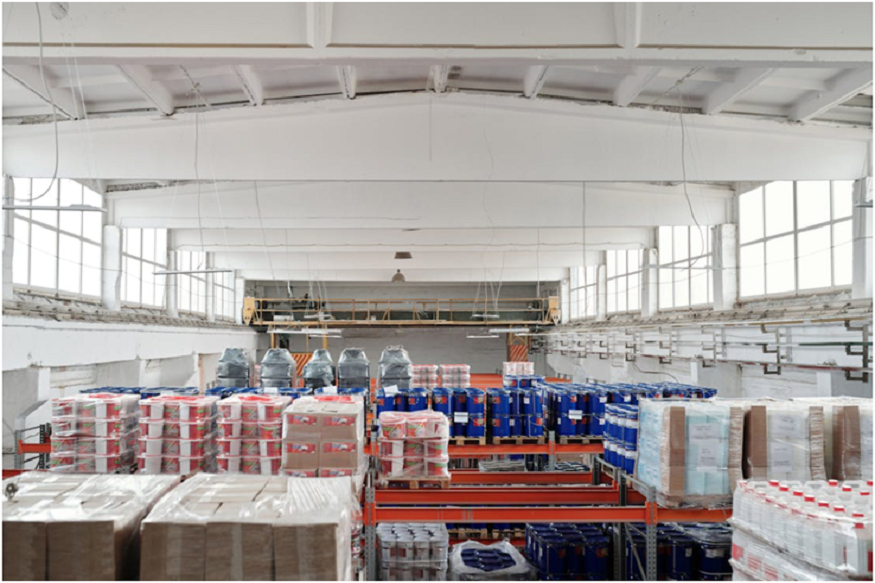
Selecting an industrial property isn’t just about location or price; it has a significant impact on how a business operates on a day-to-day basis and adapts in the long term. Across Melbourne’s key industrial zones, operators often face a decision between two distinct setups: the independence of a self-contained site or the shared convenience (and lower overheads) of a multi-tenant complex.
While the distinction may seem simple initially, these two models differ significantly in how a site is accessed, secured, and managed, with real implications for privacy, operational control, and long-term flexibility.
Understanding these differences can help ensure your next property supports your business now and adapts with your business as it grows.
Access and Control
Efficient site access is a critical consideration in industrial operations, especially for businesses with regular freight movements, high-volume dispatch, or large equipment. In a self-contained industrial property, operators have exclusive use of entry points, driveways, loading docks, and parking areas. This level of control allows for more predictable scheduled deliveries, smoother traffic flow, and fewer disruptions throughout the day.
By contrast, shared facilities often feature common access zones used by multiple occupants. This can lower leasing costs but may also cause bottlenecks, especially during peak hours when several businesses depend on the same entry points or loading areas.
For logistics-heavy operations, exclusive access is essential to maintaining workflow efficiency and service reliability.
Read More: Can You Use Non-Heat-Treated Pallets for Export?
Privacy and Operational Independence
Some businesses rely on high discretion, whether due to sensitive data, intellectual property, or specialised manufacturing processes. A self-contained industrial site offers physical and operational separation from neighbouring tenancies. There’s no shared foyer, parking area, or warehouse wall, just a single-tenant space with complete control over site access and internal visibility.
By contrast, shared facilities introduce greater exposure through increased foot traffic, visual access, and acoustic overlap. With adjoining tenancies and common entry points, maintaining privacy becomes more challenging, which is a drawback for industries that rely on controlled environments, such as medical distribution, advanced manufacturing, or prototyping.
Cost Structure
With self-contained industrial real estate, operators are usually responsible for all running costs, utilities, waste removal, cleaning, and routine maintenance. While this adds to the day-to-day management load, it also provides greater autonomy over service providers, scheduling, and cost control.
In a shared facility, these costs are typically bundled and split among occupants. The landlord or property manager organises these services, which can make budgeting easier, especially for newer businesses. However, this setup gives operators less control over who provides the services and how quickly issues are resolved.
Ultimately, it’s a balance between convenience and control. The better option depends on the level of involvement a business wants in day-to-day property management.
Read More: Why Consistent Quality Matters in Engineering Plastics
Amenities and Facilities
Self-contained industrial sites come with private amenities, including kitchens, bathrooms, meeting rooms, and storage, all designed to support the way a business operates. This setup enhances daily convenience, promotes hygiene and staff comfort, and mitigates the challenges associated with shared-use facilities.
By contrast, shared facilities rely on communal amenities. While this may be adequate for lower-traffic businesses, it can lead to scheduling conflicts, inconsistent cleanliness, premature wear from continuous use, particularly in environments with rotating shift work, frequent client visits, or high staff volume.
For businesses that prioritise staff comfort, cleanliness, or operational control, having private amenities can make a meaningful difference.
Security Control
Security needs differ by industry, but for businesses managing sensitive goods or data, having full control is essential. A self-contained site enables operators to set up their systems, including CCTV, monitored alarms, biometric entry, and custom access rules, to meet specific requirements.
In shared facilities, security is typically managed at the building level by the landlord or a third-party security provider. This may be suitable for general warehousing or light industrial use, but often falls short for businesses requiring tighter compliance, full access records, or system integration.
Maintenance Responsibilities
In a self-contained property, the operator is responsible for the entire site, indoors and outdoors, and everything in between. This includes routine maintenance, cleaning, landscaping, and compliance tasks, such as fire safety systems or stormwater drainage. While this adds to operational responsibility, it enables businesses to maintain consistent standards and address issues promptly without relying on third-party approval.
In shared facilities, maintenance is usually handled by the landlord or building manager, with expenses divided among all occupants. This reduces the administrative load but can lead to slower response times or misalignment between occupier needs and landlord priorities, particularly in high-use areas such as loading docks, HVAC systems, or shared amenities.
For businesses that prioritise high standards and fast response times, taking direct responsibility for maintenance in self-contained properties can lead to better long-term outcomes, despite the added workload.
Self-Contained Vs Shared Facilities in Industrial Properties
| Feature | Self-Contained Industrial Property | Shared Industrial Facility |
| Access | Sole use of all entry points, parking, and loading zones. | Multiple tenants use common access areas. |
| Privacy | Full operational seclusion from neighbouring businesses. | Limited privacy due to proximity and shared spaces. |
| Costs | All expenses, including utilities and upkeep, are handled independently. | Operating costs are distributed among occupants. |
| Private Amenities | Dedicated internal facilities for staff and operations. | Shared use of kitchens, restrooms, and meeting areas. |
| Security | The operator implements and manages customised security systems. | The landlord or a third party manages the collective security. |
| Maintenance | The operator is accountable for the entire site’s upkeep. | Maintenance is managed centrally and funded jointly by relevant parties. |
The bottom line is that choosing between a self-contained industrial property and a shared facility is a financial and strategic decision that can impact future operations. The right setup shapes how your business runs today and how well it scales tomorrow.
Before deciding on an industrial property, take a step back and assess whether the space can support your team, workflows, and supply chain both now and in the years to come. The right industrial property meets current needs and supports future growth.
Need help making the right call?
Consult a trusted industrial real estate agency that can help you assess your needs and match you with the right property across Melbourne’s leading industrial precincts.



2 thoughts on “How Self-Contained Industrial Properties Differ from Shared Facilities”
Comments are closed.